

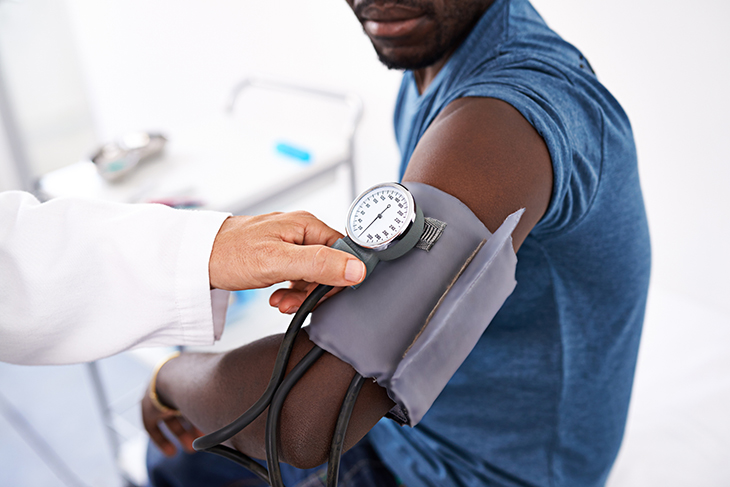
Preventive screenings are an essential part of modern healthcare. They are designed to identify diseases or conditions early, often before symptoms appear, so they can be treated more effectively. From routine blood tests to cancer screenings, these tests can save lives by detecting illnesses in their nascent stages. However, while preventive screenings are beneficial, there are certain pitfalls and practices to avoid to ensure that they are effective, accurate, and truly beneficial.
In this article, we will explore some of the common mistakes and things to avoid when it comes to preventive screenings. These recommendations are based on expert advice and can help guide individuals in making informed decisions about their health.
1. Avoid Over-Screening: The Dangers of Too Many Tests
One of the most common pitfalls in preventive health is over-screening. While screenings can be helpful, it is important to understand that not every test is necessary for every individual. Over-screening—especially in people without symptoms or risk factors—can lead to false positives, unnecessary anxiety, and potentially harmful follow-up procedures.
For example, routine screening for prostate cancer using the Prostate-Specific Antigen (PSA) test is a subject of considerable debate. The American Cancer Society suggests that men discuss the pros and cons of this test with their doctor, especially since a high PSA result can lead to unnecessary biopsies and treatments that may cause more harm than benefit.
Similarly, routine mammograms for women under 40 or those with no family history of breast cancer may not be necessary. The U.S. Preventive Services Task Force (USPSTF) recommends starting mammography screenings at age 50, and those between the ages of 40 and 49 should make individual decisions based on risk factors and consultation with their healthcare provider.
Experts warn against unnecessary screenings, as they can increase the risk of overdiagnosis—diagnosing a condition that would never have caused symptoms or harm, thus subjecting the patient to unwarranted treatments or interventions.
2. Avoid Screening Without Understanding the Risks
It is crucial to understand that screenings are not risk-free. While most screenings are designed to save lives, some tests can carry risks, especially if they lead to invasive follow-up procedures or treatments. For instance, a colonoscopy, which is often recommended for people over the age of 50, involves the insertion of a scope into the colon to detect early signs of colorectal cancer. While it can be life-saving, it also carries risks such as bowel perforation or infection, albeit rare.
Similarly, the CT scan is a commonly used imaging technique that can detect lung cancer in heavy smokers. However, radiation exposure from repeated CT scans can increase the risk of developing other forms of cancer. This is why it is important to carefully consider the necessity of these tests, especially for individuals without symptoms or risk factors.
To avoid the risks associated with screenings, it is essential to discuss with your doctor the pros and cons of the test, the potential for false positives, and the need for follow-up actions that may result in unnecessary procedures.
3. Avoid Skipping Pre-Screening Preparations
In many cases, a screening test is only as effective as the preparation that precedes it. Skipping or improperly following pre-screening instructions can result in inaccurate results. For example, blood tests often require fasting for a specific number of hours prior to the test to ensure that food does not interfere with the results. Failing to follow these instructions can lead to skewed results, necessitating retesting or misdiagnosis.
Another example is the colorectal cancer screening process, where individuals may be asked to follow a special diet or undergo bowel preparation, including a laxative regimen, before a colonoscopy. Failure to adequately prepare for the test can lead to an incomplete colonoscopy, where the physician may not be able to adequately visualize the colon for potential abnormalities.
By carefully adhering to pre-screening guidelines, individuals ensure that the results of their tests are accurate and meaningful. Skipping these preparations could lead to missed diagnoses or unnecessary repeat tests, both of which waste valuable time and resources.
4. Avoid Ignoring Your Family History
Your family history is a powerful predictor of your own health risks. Many preventive screenings, especially for conditions like breast cancer, heart disease, or colorectal cancer, are recommended based on family history and genetics. Experts urge individuals not to overlook their family medical history, as it plays a crucial role in determining which screenings are necessary and when they should be conducted.
For example, if you have a family history of breast cancer, your doctor might recommend an earlier mammogram or genetic testing for BRCA1 or BRCA2 mutations, which significantly increase the risk of breast cancer. Similarly, a family history of heart disease may lead your healthcare provider to recommend earlier or more frequent cholesterol screenings, or even genetic testing for predispositions to heart disease.
Ignoring family history or failing to provide this information during medical consultations could lead to missed opportunities for early detection of potentially serious conditions. Honesty about your family’s health background and asking your doctor how it should affect your preventive screening schedule is crucial in taking a proactive approach to your health.
5. Avoid Relying on Screening Results Alone
While preventive screenings are incredibly valuable, they should not be the only tool for assessing health. A screening result is only one piece of the puzzle. Health experts emphasize that lifestyle factors, symptoms, and physical exams also play an essential role in understanding an individual’s overall health. In some cases, a normal screening result does not guarantee that an individual is free from illness, nor does a positive result necessarily indicate the presence of a serious condition.
For instance, a mammogram might not detect all forms of breast cancer, especially in women with dense breast tissue. Similarly, a negative colonoscopy does not guarantee lifelong immunity from colorectal cancer. It is crucial to pair the results of screenings with a comprehensive health assessment that includes symptom tracking, regular check-ups, and lifestyle evaluations such as diet and exercise habits.
By keeping a holistic view of health, you ensure that screenings are part of an overall strategy for maintaining well-being, rather than relying on a single test to dictate your healthcare decisions.
6. Avoid Screening Based on Popular Myths
With the rise of health-related content online and on social media, it’s easy for myths and misconceptions to spread. Not all recommended screenings are appropriate for every individual, and misleading health trends can push people to undergo tests that may not be necessary or even beneficial.
For example, the routine screening for thyroid disease in asymptomatic individuals has been widely debated. Although thyroid dysfunction is common, screening for it in healthy, symptom-free people may lead to overdiagnosis and unnecessary treatments. Experts caution against routine thyroid screening unless you are experiencing symptoms like fatigue, weight changes, or mood swings, which are indicative of thyroid issues.
It’s essential to consult trusted medical professionals and rely on evidence-based guidelines when deciding which screenings are appropriate for you.
7. Avoid Delaying Screenings Due to Fear or Anxiety
Fear of medical tests is a common reason why people skip preventive screenings. From the fear of an unpleasant procedure to the dread of receiving a negative result, anxiety can prevent many individuals from seeking the screenings they need. However, avoiding these screenings often comes with greater risks down the line. For example, delaying a colon cancer screening might result in detecting the disease too late, when treatment options are limited.
Experts recommend discussing your fears with your healthcare provider rather than avoiding screenings altogether. Many procedures have become less invasive and more comfortable in recent years. By addressing concerns directly, individuals can make better-informed decisions and take the necessary steps to prioritize their health.
Conclusion: A Thoughtful Approach to Preventive Screenings
Preventive screenings are a powerful tool in safeguarding health and detecting diseases early, but they must be approached with caution and understanding. Avoiding over-screening, preparing adequately for tests, being honest about family history, and considering the broader context of your health are key steps toward effective preventive care. By following expert recommendations and engaging in thoughtful discussions with healthcare providers, you can navigate the world of preventive screenings more effectively, ensuring that they truly serve your long-term health and well-being.