

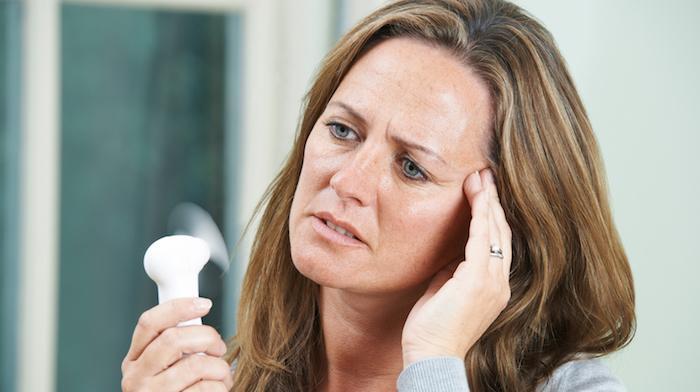
Menopause is a significant life stage that marks the end of a woman’s reproductive years, typically occurring between the ages of 45 and 55. While it is a natural biological process, the transition can come with a host of physical and emotional challenges, including hot flashes, night sweats, mood swings, and disrupted sleep. These symptoms, often exacerbated by the demands of daily life, can feel overwhelming. However, there are practical, time-saving strategies that can significantly improve quality of life during this period. In this article, we’ll explore the top 10 menopause support techniques that not only ease symptoms but also fit seamlessly into a busy lifestyle.
1. Adopt a Balanced Diet Rich in Phytoestrogens
One of the most effective and time-efficient ways to manage menopause symptoms is through diet. Phytoestrogens—plant-based compounds that mimic the effects of estrogen in the body—can help alleviate many common menopause symptoms. Foods rich in phytoestrogens, such as soy, flaxseeds, sesame seeds, lentils, and chickpeas, can balance hormone levels naturally, reducing hot flashes and mood swings.
Time-saving Tip: Incorporate these foods into your meals by adding a spoonful of ground flaxseeds to your morning smoothie or sprinkling sesame seeds over salads or soups. These small adjustments can make a big difference over time without requiring hours of meal prep.
2. Utilize Menopause-Specific Supplements
While it’s always best to consult with a healthcare provider before starting any supplement regimen, certain supplements can provide significant support during menopause. Black cohosh, red clover, and evening primrose oil have all been studied for their potential to reduce hot flashes, improve mood, and support hormonal balance. Additionally, magnesium can help with sleep disturbances and mood swings, while omega-3 fatty acids can support overall emotional well-being.
Time-saving Tip: Invest in a high-quality menopause-specific supplement that combines these key ingredients, saving you time on taking multiple pills or researching various supplements. Taking one capsule a day can simplify your routine and provide relief.
3. Practice Mindfulness and Deep Breathing Techniques
Emotional symptoms like anxiety, irritability, and mood swings are common during menopause. Engaging in mindfulness and deep breathing exercises can effectively reduce stress and help manage these emotional shifts. These practices activate the parasympathetic nervous system, helping to calm the body’s stress response.
Time-saving Tip: You don’t need to dedicate long periods to mindfulness. Just five minutes of focused deep breathing in the morning or before bed can drastically improve your mental state. Apps like Calm or Headspace offer guided sessions that fit into even the busiest of schedules.
4. Stay Active with Quick, Effective Workouts
Exercise is one of the most effective ways to manage menopause symptoms, including weight gain, hot flashes, and mood swings. Regular physical activity helps regulate hormones, boosts endorphins, and improves sleep quality. While longer workouts can be beneficial, shorter, more efficient exercise routines can also be effective.
Time-saving Tip: High-Intensity Interval Training (HIIT) is an excellent way to stay fit in less time. A 20- to 30-minute HIIT session three to four times a week can provide the same cardiovascular benefits as longer, moderate-intensity exercise. Additionally, yoga or Pilates can offer both physical and mental benefits in shorter sessions.
5. Optimize Sleep with Simple Strategies
Sleep disturbances, such as insomnia or waking up in the middle of the night due to hot flashes, are common during menopause. Quality sleep is vital for emotional well-being and overall health, yet many women find it challenging to get a restful night’s sleep during this time.
Time-saving Tip: Establishing a consistent bedtime routine can significantly improve sleep quality. Avoid caffeine and heavy meals in the evening, keep the bedroom cool to combat night sweats, and limit screen time before bed. If you experience hot flashes at night, try using a cooling pillow or investing in moisture-wicking sheets to stay comfortable throughout the night.
6. Embrace Natural Hormone Replacement Therapy (HRT)
For many women, hormone replacement therapy (HRT) can provide relief from menopausal symptoms, especially hot flashes, night sweats, and vaginal dryness. While traditional HRT can involve regular doctor visits and prescriptions, natural alternatives such as bioidentical hormones offer a more personalized and potentially safer option.
Time-saving Tip: Discuss bioidentical hormone therapy with your healthcare provider to determine whether it’s appropriate for you. Bioidentical hormones can often be delivered in convenient forms like patches or creams, minimizing the need for multiple daily pills or treatments.
7. Stay Hydrated and Reduce Caffeine Intake
Dehydration can worsen many menopause symptoms, including hot flashes, fatigue, and brain fog. Drinking plenty of water throughout the day helps maintain hydration levels, keeping your body and mind functioning optimally. On the other hand, caffeine can exacerbate symptoms, such as anxiety and sleep disruptions.
Time-saving Tip: Carry a reusable water bottle with you throughout the day to remind yourself to stay hydrated. Opt for caffeine-free herbal teas, such as chamomile or peppermint, which can promote relaxation without affecting your sleep or triggering hot flashes.
8. Seek Emotional Support from Friends, Family, or Therapy
The emotional rollercoaster of menopause can be taxing, but seeking support from friends, family, or even a therapist can help ease the psychological burdens. Having a trusted person to talk to, or engaging in therapy, can offer emotional relief and valuable coping strategies.
Time-saving Tip: Instead of committing to lengthy therapy sessions, consider virtual therapy or group support meetings, which are often more flexible and time-efficient. Many women find that short, weekly check-ins with a counselor or participating in online menopause support groups help them feel supported without overwhelming their schedule.
9. Limit Alcohol Consumption
While a glass of wine may seem like a relaxing way to wind down, alcohol can interfere with sleep patterns, increase the severity of hot flashes, and exacerbate mood swings. Moderating alcohol intake can greatly improve overall menopause symptoms.
Time-saving Tip: If you enjoy an occasional drink, try limiting it to special occasions. Opt for non-alcoholic alternatives, such as sparkling water with lemon or herbal teas, which can help you unwind without negatively affecting your sleep or mood.
10. Incorporate Skin and Vaginal Care Products
Hormonal changes during menopause can lead to dryness in the skin and vaginal tissues. This can cause discomfort, irritation, and even pain during intercourse. Using the right skincare and vaginal moisturizers can help alleviate these symptoms.
Time-saving Tip: Opt for multi-purpose moisturizers that hydrate both the skin and intimate areas. Many women find that using a vaginal moisturizer a few times a week, along with a nourishing body lotion, can save them time and prevent dryness and discomfort.
Conclusion
Menopause is a natural transition in a woman’s life, but it doesn’t have to be a time filled with discomfort and frustration. By incorporating these time-saving strategies into your daily routine, you can alleviate symptoms, improve your well-being, and embrace this stage of life with confidence and vitality. Remember, every woman’s experience with menopause is unique, so it’s important to experiment with different approaches and consult with your healthcare provider to find the most effective solutions tailored to your individual needs. With the right support and tools, menopause can be a manageable and empowering experience.