

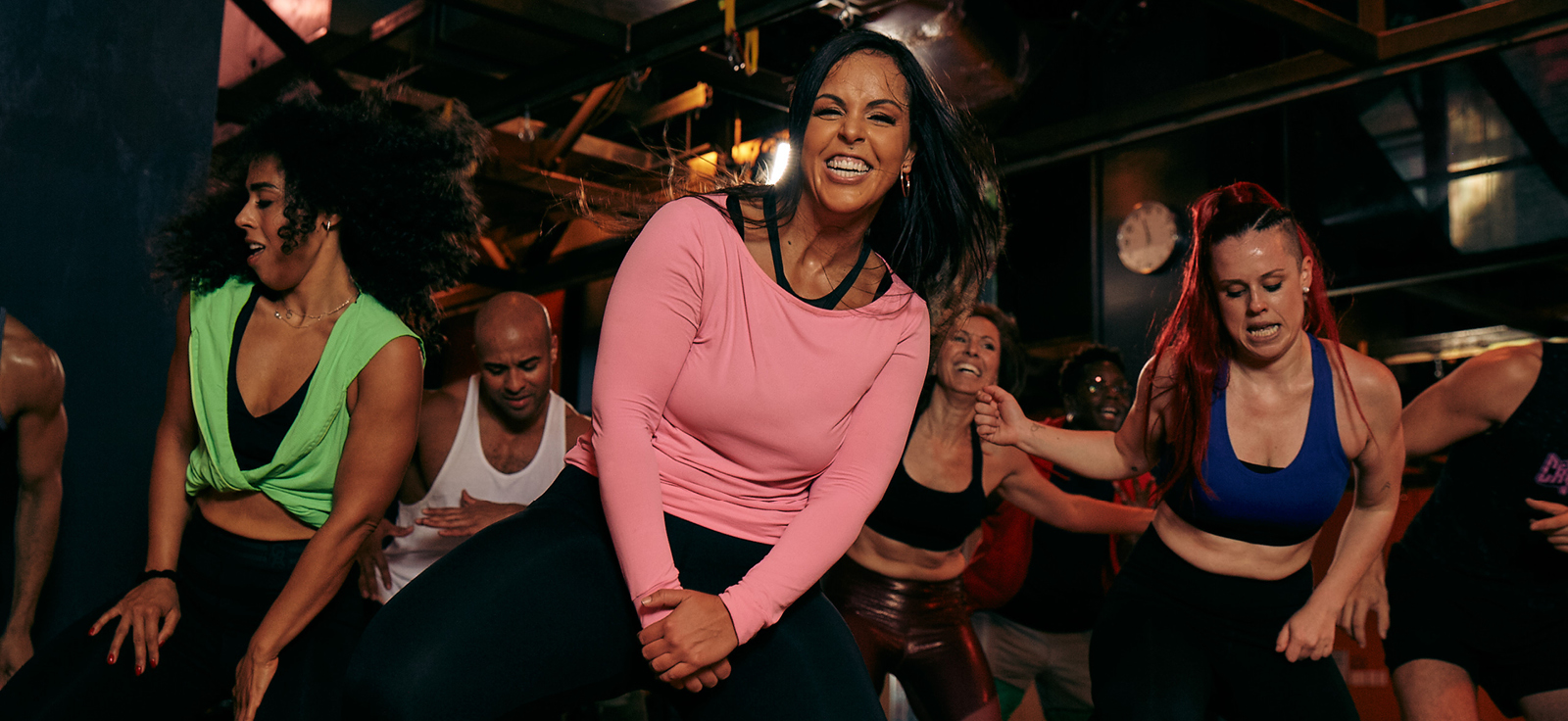
For many working adults in Singapore, the most difficult part of staying active is not motivation, it is energy. Long office hours, screen fatigue, commuting stress, and packed schedules often lead to an evening slump that kills any intention of exercise. This is where zumba classes singapore quietly solve a problem that traditional gym routines fail to address.
Unlike rigid workouts that demand mental effort and discipline at the end of a long day, Zumba works with your energy patterns rather than against them. Instead of forcing intensity through willpower, it uses music, rhythm, and group momentum to reset both mind and body. That is why many people who feel exhausted after work still find themselves leaving class energised instead of drained.
When done at the right time and with the right approach, Zumba becomes more than cardio. It becomes an effective recovery tool for mental fatigue, emotional stress, and physical stiffness caused by deskbound routines.
Why Evening Energy Drops Happen in Singapore Work Culture
The after-work crash is not a lack of fitness. It is a combination of physiological and lifestyle factors that are common in Singapore.
Prolonged Mental Load
Many jobs involve long periods of concentration, decision-making, and screen exposure. Mental fatigue often shows up as physical tiredness even when the body has not moved much all day.
Sedentary Work Patterns
Sitting for long hours reduces blood circulation and tightens hip flexors, hamstrings, and the lower back. When work ends, the body feels heavy and unresponsive.
Poor Transition Between Work and Personal Time
Jumping directly from work mode to rest mode makes the body sluggish. Without a proper transition, energy levels drop rapidly in the evening.
Late Meals and Irregular Eating
Skipping meals or eating heavy dinners late in the day can cause energy dips, bloating, and sluggish digestion.
Zumba addresses these issues simultaneously through movement, music, and social interaction.
How Zumba Reboots Energy Instead of Draining It
Unlike steady-state cardio that feels repetitive, Zumba constantly shifts tempo, movement style, and muscle engagement. This keeps the nervous system alert while allowing the body to move naturally.
Music-Driven Energy Regulation
Music stimulates dopamine and serotonin release, which helps lift mood and reduce perceived effort. This is why Zumba often feels easier than it actually is.
Rhythmic Full-Body Activation
Zumba engages both upper and lower body, encouraging circulation and joint mobility without high impact stress. This improves oxygen delivery and reduces stiffness caused by prolonged sitting.
Cognitive Distraction From Fatigue
Because you are following choreography and rhythm, your focus shifts away from tiredness. Mental fatigue fades as attention moves to movement and timing.
Group Momentum
Moving in a group creates subtle accountability and motivation. Even on low-energy days, the collective energy carries you through the session.
Choosing the Right Time for Evening Zumba Sessions
Timing matters when using Zumba to fight fatigue without affecting sleep.
Early Evening Classes
Classes scheduled shortly after work allow you to release stress before it builds into exhaustion. This is ideal for people who finish work around standard office hours.
Late Evening Classes
Late sessions can still work if you manage post-class habits properly. The key is avoiding stimulants and heavy meals after class.
Frequency Over Intensity
Two to three evening sessions per week are often more effective than daily intense workouts. This supports recovery while keeping energy stable.
Managing Sleep Quality With Evening Dance Workouts
One common concern is whether dancing at night disrupts sleep. The answer depends on how you manage the hours after class.
Cool Down Properly
Always allow your heart rate to return to normal. Gentle stretching and slow breathing help the nervous system shift into rest mode.
Post-Class Nutrition
Avoid heavy or spicy meals. Light protein with simple carbohydrates works best for recovery without digestion stress.
Screen Exposure
Limit phone usage immediately after class. Bright screens can delay melatonin release.
Hydration Without Overdoing It
Drink enough water to rehydrate but avoid excessive intake right before bed.
When these factors are managed, Zumba often improves sleep quality by reducing stress and anxiety accumulated during the day.
Why Zumba Works Better Than Traditional Evening Cardio
Many people struggle with treadmill runs or weight training after work because those formats demand discipline when energy is already low.
Zumba succeeds because it feels recreational rather than obligatory. The body moves naturally, joints stay loose, and the mind stays engaged. There is no pressure to perform, no focus on numbers, and no comparison with others.
This makes Zumba particularly effective for people who have tried and abandoned multiple fitness routines due to fatigue and inconsistency.
Long-Term Benefits of Using Zumba as an Evening Reset
Over time, consistent evening Zumba sessions create noticeable changes beyond fitness.
-
Improved posture and reduced back stiffness
-
Better emotional regulation after stressful workdays
-
Increased daily movement confidence
-
More stable sleep patterns
-
Improved work-life separation
These benefits compound when classes are taken regularly in a supportive environment like True Fitness Singapore, where structured programming and professional guidance help participants stay consistent without burnout.
How Class Environment Affects Energy Recovery
The environment you train in plays a major role in whether you leave energised or exhausted.
Ventilation and Studio Space
Proper airflow reduces overheating and discomfort, especially in Singapore’s climate.
Instructor Cueing
Clear cues help you stay relaxed and confident, preventing unnecessary tension during movements.
Floor Surface
Shock-absorbing floors reduce joint strain, allowing you to move freely without discomfort.
Music Selection
Well-paced playlists guide energy levels smoothly from warm-up to peak movement and back down.
These factors are often overlooked but make a significant difference in how your body responds to evening workouts.
Building a Sustainable Evening Zumba Routine
Sustainability matters more than intensity. The goal is not to push harder each class but to feel better leaving than when you arrived.
A realistic weekly structure might include:
-
Two weekday evening Zumba sessions
-
One optional weekend session for enjoyment
-
Light stretching or walking on non-class days
This approach keeps the body active without overwhelming the nervous system.
Real-Life FAQ
Is Zumba suitable if I feel exhausted after work?
Yes. Zumba is designed to work with low energy days. Many participants report feeling more energised after class than before.
Will evening Zumba affect my sleep?
Not if managed properly. With correct cooldown, hydration, and meal timing, Zumba often improves sleep by reducing stress.
Do I need prior dance experience?
No. Zumba focuses on movement and enjoyment rather than technical perfection.
How many evening classes per week are ideal?
Two to three sessions per week are sufficient for energy management and overall fitness.
What should I eat before an evening Zumba class?
A light snack with carbohydrates and a small amount of protein works well. Avoid heavy meals close to class time.
Can Zumba help with mental stress from work?
Yes. Music, movement, and group energy help lower stress hormones and improve mood naturally.
Is Zumba suitable for people who sit all day?
Absolutely. Zumba improves circulation, mobility, and posture, making it ideal for desk-based professionals.
How long before bedtime should I finish class?
Ideally, finish at least 90 minutes before sleep to allow your body to fully relax.