

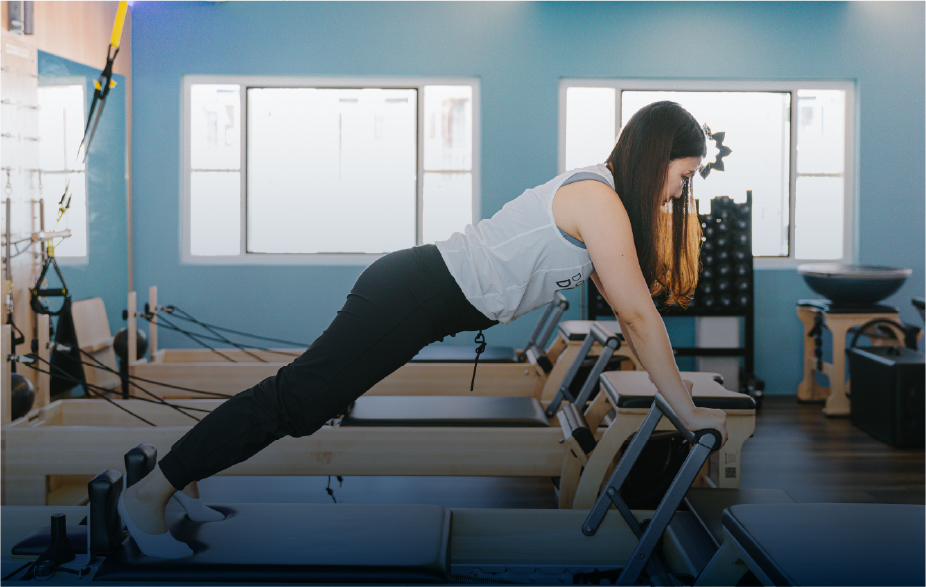
Many people want a stronger body, but they do not want workouts that leave them feeling overloaded, sore, or uncomfortable. They want a method that improves strength while also supporting posture, alignment, and movement control. This is why pilates singapore has become a relevant search for adults who want low-impact strength with a clear focus on body mechanics.
Pilates is built around precision. The practice trains students to move with control, breathe with awareness, and stabilize the body from the center. This makes it useful for people dealing with weak posture, poor balance, stiffness, and low body awareness from modern routines.
Why Spinal Alignment Matters
The spine is involved in almost every daily movement. Sitting, standing, walking, bending, lifting, and turning all depend on spinal control. When alignment is poor, the body may compensate through the neck, lower back, hips, or shoulders.
Spinal alignment does not mean keeping the body stiff. It means learning how to support the spine naturally during movement. Pilates helps students understand neutral alignment, pelvic positioning, rib control, and core support.
This is especially useful for adults who sit for long hours. A seated lifestyle can make the spine feel compressed and the lower back overworked.
Pilates Trains the Body From the Center
Pilates places strong emphasis on the core, but not in a superficial way. The practice teaches students to stabilize from the deeper muscles of the trunk and pelvis. This helps support movement in the arms and legs.
When the center of the body is stable, the limbs can move more efficiently. This reduces unnecessary strain. For example, a person may discover that their lower back works too hard during leg movements because the core is not providing enough support.
Pilates helps correct these patterns through slow, focused repetition.
Balance Is More Than Standing on One Leg
Balance is not only a fitness skill. It is part of everyday health. People need balance when walking on uneven surfaces, climbing stairs, carrying bags, or changing direction quickly.
Pilates improves balance by training coordination and control. Many exercises require students to stabilize one part of the body while moving another. This teaches the nervous system to organize movement more efficiently.
Better balance also improves confidence. People feel more secure in their movements when they trust their body.
Low-Impact Does Not Mean Low-Value
Some people assume low-impact exercise is easy or less effective. Pilates challenges that idea. The practice can be intense without being harsh on the joints.
Low-impact strength is valuable for adults who want to build fitness without constant jumping, running, or heavy loading. It can also be useful for people returning to exercise after a break.
Pilates asks the body to work with precision. A small controlled movement can require more focus than a large fast movement. This is where the strength benefit comes from.
Why Controlled Movement Builds Better Awareness
Fast exercise can sometimes hide poor movement habits. People may use momentum instead of control. Pilates removes that shortcut. Movements are usually slower and more deliberate.
This helps students notice what is really happening. Are they leaning to one side? Are they gripping the neck? Are they arching the back? Are they using the right muscles?
This awareness is useful beyond class. It can change how people sit, stand, walk, and carry themselves.
Pilates for Desk-Related Imbalance
Desk work often creates imbalance. The front body becomes tight, the back body becomes underactive, and the hips lose mobility. The result may be poor posture, shallow breathing, and low energy.
Pilates can support better balance between strength and mobility. It strengthens the core and back while improving control through the hips and pelvis. This helps the body feel more organized.
For people who feel stiff but not ready for intense workouts, Pilates can be a practical entry point.
The Role of Breath in Alignment
Breath helps students control movement and support alignment. In Pilates, breathing is often coordinated with effort. This helps prevent unnecessary tension.
Many people hold their breath when trying to move carefully. Pilates teaches them to stay connected to breath even during challenging exercises. This reduces rigidity and supports smoother movement.
Breathing also helps students remain focused, which improves technique.
Why Instruction Matters
Pilates is detail-oriented. Small changes in alignment can change the entire exercise. This is why teacher guidance matters. A teacher can help students understand where movement should come from and where compensation is happening.
For example, a student may think they are working the core, but they may actually be straining the neck. Another may think they are stabilizing the pelvis, but they may be gripping the hip flexors.
Good instruction helps students practice more safely and effectively.
Building Long-Term Strength
Pilates is not only about short-term fitness. It builds strength that supports daily movement. The body becomes more stable, balanced, and aware.
This kind of strength is especially useful as people age or deal with sedentary routines. It helps maintain confidence in movement.
For adults in Singapore looking for controlled strength, alignment, and better body mechanics, Yoga Edition can support a balanced wellness routine with Pilates and complementary movement practices.
FAQs
Why do some Pilates exercises feel harder than gym exercises?
Pilates often removes momentum and asks smaller stabilizing muscles to work precisely. That can make simple-looking movements feel intense, especially if those muscles are not used often.
Can Pilates help if I feel uneven on one side?
It may help you notice and train side-to-side differences. If the imbalance is linked to injury, pain, or a medical condition, get professional advice before relying only on class-based exercise.
Do I need grip socks for Pilates?
Some studios may require or recommend grip socks for hygiene and stability. If you are unsure, check before class. For mat-based Pilates, barefoot practice may also be accepted depending on the studio’s policy.