

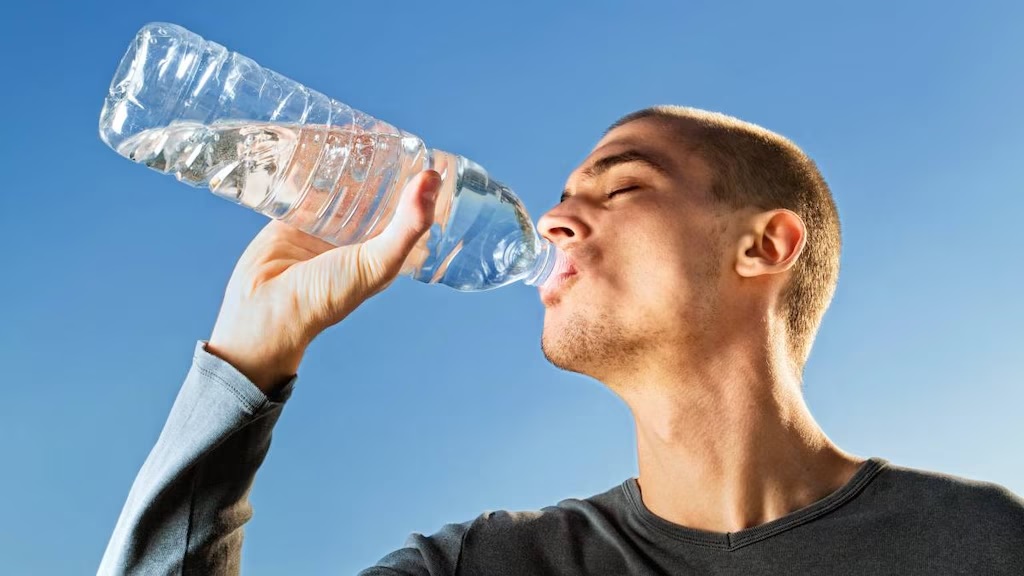
When it comes to maintaining optimal health, one factor remains universally essential across the board: hydration. It’s something many of us often overlook, particularly in our busy, fast-paced lives, but hydration plays a pivotal role in nearly every bodily function. From regulating body temperature to supporting digestion and boosting energy levels, staying properly hydrated is key to feeling your best. Experts across various health fields—from nutritionists and dietitians to fitness professionals and medical doctors—stress the importance of hydration as the foundation of good health. In this beginner’s guide to hydration, we’ll break down the science behind it, share expert recommendations on how to stay hydrated, and offer practical tips to integrate hydration into your daily routine.
Why Hydration Matters: The Science Behind It
Water makes up approximately 60% of the human body and is involved in virtually every biological process. The body relies on water to regulate temperature, digest food, transport nutrients, and eliminate waste. Additionally, water helps lubricate joints, protect tissues, and maintain the balance of bodily fluids. While it’s easy to dismiss hydration as something we can “do without” for short periods, dehydration, even in mild forms, can lead to a cascade of unwanted symptoms such as fatigue, headaches, dizziness, dry skin, and reduced cognitive function.
Dr. Stanley Goldfarb, a professor of medicine at the University of Pennsylvania and a kidney specialist, explains that hydration is essential for the kidneys to function optimally, as they rely on a consistent fluid balance to filter waste and regulate salt and mineral levels. Chronic dehydration can lead to kidney stones, urinary tract infections, and other serious health issues. It’s clear that proper hydration is more than just a simple habit; it’s a fundamental component of a healthy body.
How Much Water Do You Really Need?
One of the most common questions surrounding hydration is how much water one should drink. The simple answer is that it varies depending on individual needs, lifestyle, and environmental factors. While the “8 glasses a day” rule is often cited, experts suggest that this guideline is overly simplistic and doesn’t account for variables like age, weight, activity level, and climate.
The National Academies of Sciences, Engineering, and Medicine in the U.S. recommends a general intake of about 3.7 liters (125 ounces) for men and 2.7 liters (91 ounces) for women per day. This total includes all fluids consumed, not just water, meaning it encompasses beverages like tea, coffee, and even the moisture found in food. However, these are just broad recommendations, and your body may need more or less depending on your circumstances.
Exercise and Activity Level
People who engage in intense physical activity or exercise regularly need to adjust their hydration habits to accommodate the increased fluid loss through sweat. According to Dr. Michael Bergeron, a sports medicine expert, it’s vital to hydrate before, during, and after exercise to maintain optimal performance and prevent dehydration. For every 30 minutes of moderate exercise, it’s advised to drink at least 7-10 ounces of water to compensate for sweat loss.
Climate and Environment
Climate also plays a significant role in hydration needs. In hot, humid, or dry climates, individuals lose more fluid through perspiration, requiring additional water intake to stay properly hydrated. Similarly, higher altitudes can increase the body’s need for hydration due to drier air, which increases fluid loss from the skin and respiratory system.
Practical Tips for Staying Hydrated
Staying hydrated is easier than you might think. Below are expert-recommended strategies to help you ensure that you’re drinking enough water throughout the day:
1. Start Your Day with Water
Dr. David Katz, a well-known preventive medicine expert, suggests making hydration a priority first thing in the morning. After a night of sleep, your body is naturally dehydrated, so drinking a glass of water upon waking can set a positive tone for the day. Starting with water helps jumpstart your metabolism, aids in digestion, and restores fluid balance after hours of rest.
2. Keep a Water Bottle Handy
Dr. Elizabeth O’Neill, a registered dietitian, recommends carrying a water bottle with you wherever you go. Keeping water within easy reach encourages you to take regular sips throughout the day. A reusable bottle is both eco-friendly and practical, as it ensures that you always have access to hydration—whether at your desk, in the car, or at the gym.
3. Set Hydration Reminders
In the rush of daily life, it’s easy to forget to drink enough water. Experts recommend setting hydration reminders on your phone or using a hydration tracking app to monitor your fluid intake. These small nudges can help keep you on track and ensure you don’t slip into dehydration unintentionally.
4. Hydrate with Foods
Water is not the only source of hydration. Many fruits and vegetables have high water content and can be a delicious way to stay hydrated. Watermelon, cucumbers, oranges, and strawberries are all excellent options to add to your meals. Soups and smoothies are also great ways to increase fluid intake. Foods like these not only hydrate but also provide essential vitamins, minerals, and antioxidants that further support your health.
5. Monitor Your Urine Color
An often overlooked but simple way to track your hydration status is by monitoring the color of your urine. Dr. Sarah Williams, a registered nurse and nutritionist, suggests that light yellow urine is a good sign of proper hydration, while dark yellow or amber-colored urine may indicate dehydration. Keep in mind that certain foods, vitamins, and medications can alter urine color, but this method is a useful gauge for most people.
6. Hydrate During Meals
Drinking small amounts of water before, during, and after meals can help digestion and prevent overeating. Drinking a glass of water before eating can also curb appetite, as it helps you feel fuller, potentially leading to healthier portion sizes. Just be mindful not to drink excessive amounts of water immediately after eating, as it may dilute stomach acids and interfere with digestion.
7. Avoid Excessive Caffeine and Alcohol
Both caffeine and alcohol are diuretics, which means they can increase fluid loss from the body. While moderate consumption of these beverages is generally fine, it’s important to balance them with adequate water intake. Experts like Dr. James Brown, a hydration specialist, recommend drinking an additional glass of water for every caffeinated or alcoholic beverage consumed to compensate for the diuretic effect.
Signs You May Be Dehydrated
It’s important to be aware of the early warning signs of dehydration so that you can address it before it becomes a serious issue. According to Dr. Richard Johnson, a leading expert on hydration and kidney health, common symptoms of dehydration include:
-
Dry mouth and throat
-
Fatigue or tiredness
-
Headaches
-
Dizziness or lightheadedness
-
Dark-colored urine or infrequent urination
-
Dry skin or skin that lacks elasticity
If you experience any of these symptoms, it’s a signal to hydrate immediately. Severe dehydration can lead to more serious health issues, including heatstroke, kidney damage, or electrolyte imbalances, so it’s essential to address mild dehydration before it escalates.
Conclusion: Hydration as a Lifestyle
Hydration is not just about drinking water; it’s about creating habits that support your body’s need for fluid and nourishment throughout the day. By incorporating simple strategies such as drinking water first thing in the morning, carrying a water bottle, hydrating with food, and paying attention to your body’s signals, you can ensure that you’re properly hydrated and reaping the many health benefits that come with it. Remember, hydration is a daily practice, and while it may seem like a small step, its impact on your overall well-being is profound. As you move through your routine, consider hydration as an integral part of your health journey—something that fuels not just your body, but your energy, mental clarity, and vitality for years to come.